How to Use Mandelic Acid for Hyperpigmentation: A Gentle AHA for All Skin Types
By Goodmolecules | Published: 2026-06-08
Category: How-to Guides
Learn how mandelic acid gently fades dark spots and hyperpigmentation without irritation. This guide covers benefits, routine tips, and recommended products for all skin types.
Hyperpigmentation—whether from sun damage, acne scars, or hormonal changes—can be stubborn and frustrating. While many acids promise to fade dark spots, they often come with irritation, redness, or peeling. Enter mandelic acid, a gentle alpha hydroxy acid (AHA) derived from bitter almonds. Unlike stronger AHAs like glycolic or lactic acid, mandelic acid has a larger molecular size, which means it penetrates the skin more slowly and evenly—reducing the risk of irritation while still delivering impressive results for hyperpigmentation treatment. In this guide, we'll explore why mandelic acid is a standout ingredient for all skin types, how to incorporate it into your skincare routine, and which products can enhance your results.
What Is Mandelic Acid and Why Is It a Gentle AHA?
Mandelic acid belongs to the AHA family, similar to glycolic and lactic acids, but it stands apart due to its molecular weight. Its larger size means it works on the surface layers of the skin without penetrating too deeply, making it an ideal gentle AHA for sensitive, dry, or acne-prone skin. Mandelic acid is also oil-soluble, allowing it to dissolve sebum and penetrate pores effectively—a bonus for those dealing with both hyperpigmentation and breakouts.
Because it's less aggressive, mandelic acid can be used more frequently than other AHAs, and it's even considered safe for darker skin tones (Fitzpatrick IV–VI) where stronger acids can cause post-inflammatory hyperpigmentation. Studies have shown that mandelic acid effectively reduces melanin production and evens out skin tone with minimal side effects.
How Mandelic Acid Treats Hyperpigmentation
Hyperpigmentation occurs when an overproduction of melanin leads to dark patches or spots. Mandelic acid works in several ways to address this:
- Exfoliation: It gently loosens and removes dead skin cells, revealing brighter, more even-toned skin underneath.
- Melanin inhibition: Mandelic acid can suppress tyrosinase, an enzyme key to melanin production, thereby lightening existing dark spots.
- Anti-inflammatory action: Its calming properties reduce redness and irritation, which can worsen pigmentation.
- Pore clearing: By dissolving excess oil, it prevents acne that can leave post-inflammatory hyperpigmentation (PIH).
For best results, mandelic acid is often combined with other brightening ingredients like Good Molecules Hyaluronic Acid Serum 30ml to maintain hydration while exfoliating—a crucial step for a healthy skin barrier.
How to Incorporate Mandelic Acid into Your Skincare Routine
Step 1: Start Slowly
If you're new to mandelic acid, begin with a concentration of 5–10% and use it 2–3 times per week. Gradually increase frequency as your skin builds tolerance. Always perform a patch test first.
Step 2: Cleanse Thoroughly
Start with a gentle, non-stripping cleanser. The Good Molecules Soothing Azelaic Acid Cleanser 120ml is a perfect first step—it calms the skin while preparing it for exfoliation. Pat dry.
Step 3: Apply Mandelic Acid Serum
Use a mandelic acid serum after cleansing, before moisturizer. A few drops on a clean face—avoid the eye area. Let it absorb for 1–2 minutes.
Step 4: Hydrate and Protect
Follow with a hydrating moisturizer to lock in moisture and support the skin barrier. In the morning, always apply a broad-spectrum sunscreen with SPF 30 or higher, as AHAs increase photosensitivity.
Mandelic Acid vs. Other AHAs for Dark Spots
| AHA Type | Molecular Size | Best For | Irritation Risk |
|---|---|---|---|
| Glycolic Acid | Small | Deep exfoliation, fine lines | High |
| Lactic Acid | Medium | Dry skin, gentle exfoliation | Moderate |
| Mandelic Acid | Large | Hyperpigmentation, sensitive skin | Low |
As the table shows, mandelic acid offers a unique balance of efficacy and gentleness, making it a top choice for hyperpigmentation treatment across all skin types.
Common Mistakes to Avoid
- Skipping sunscreen: Mandelic acid makes skin more UV-sensitive. Without daily SPF, dark spots can worsen.
- Over-exfoliating: More is not better. Using mandelic acid daily can compromise the skin barrier. Stick to 3–4 times a week.
- Combining with strong actives: Avoid using mandelic acid with retinol or other acids in the same routine to prevent irritation. Alternate days instead.
- Expecting overnight results: Pigmentation fades gradually. Consistent use over 8–12 weeks typically shows visible improvement.
Pairing Mandelic Acid with Other Brightening Ingredients
For enhanced results, combine mandelic acid with ingredients like niacinamide, vitamin C, or tranexamic acid. These work synergistically to inhibit melanin production and boost radiance. A good strategy is to use mandelic acid at night and a vitamin C serum in the morning. If you're dealing with stubborn dark spots, a dedicated regimen like the Good Molecules Hyperpigmentation Bundle simplifies the process by providing a curated set of complementary products designed to target discoloration effectively.
Who Should Use Mandelic Acid?
Mandelic acid is suitable for virtually everyone, including:
- Sensitive skin: Its gentle nature makes it less likely to cause redness or stinging.
- Acne-prone skin: It unclogs pores and reduces post-acne marks.
- Darker skin tones: Low risk of causing further pigmentation issues.
- Mature skin: Helps with fine lines and uneven texture.
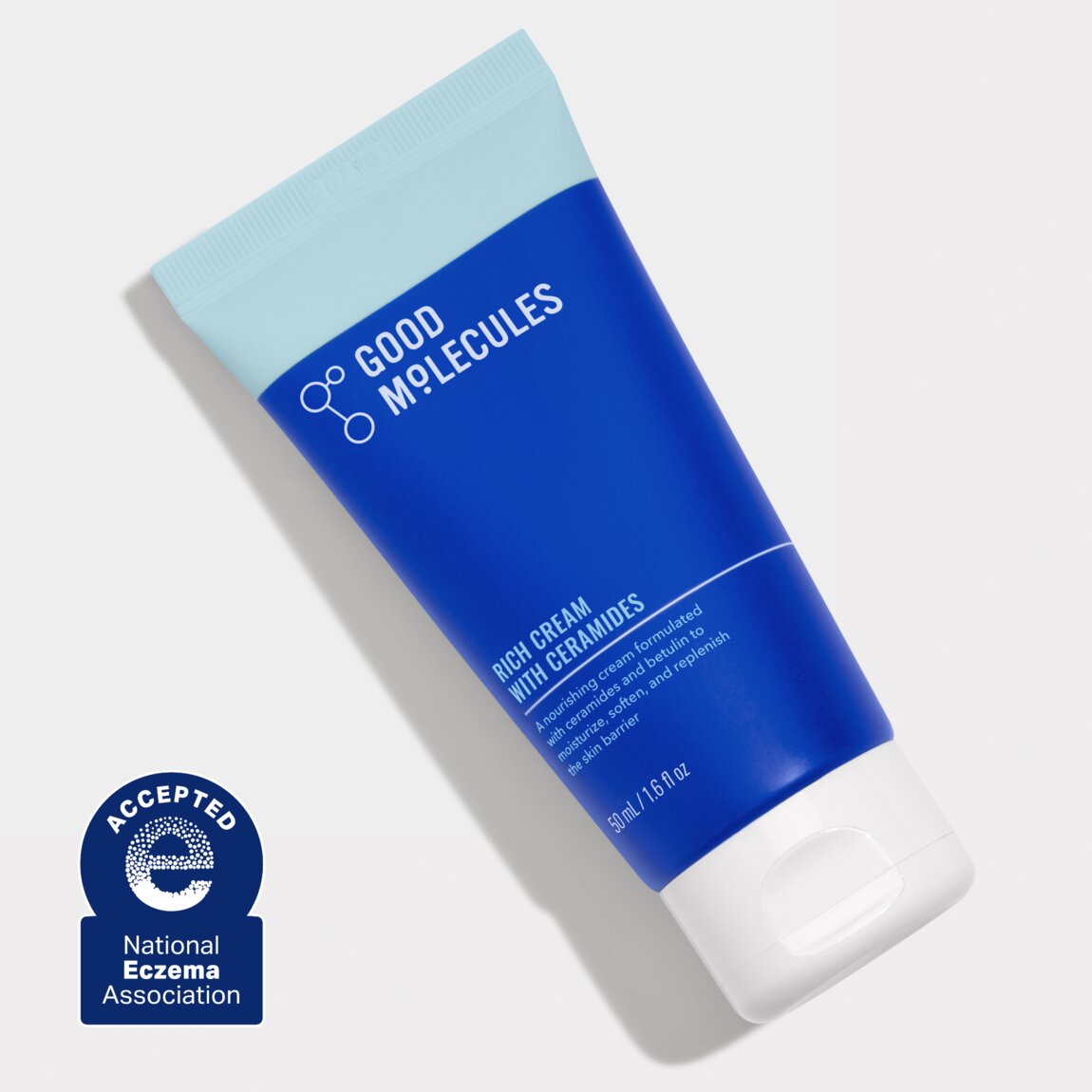
Even those with dry or eczema-prone skin can benefit, as mandelic acid doesn't strip moisture. Pair it with a ceramide-rich moisturizer like the Good Molecules Rich Cream with Ceramides 50ml to maintain barrier health.
Frequently Asked Questions
Can mandelic acid be used during pregnancy?
Mandelic acid is generally considered safe during pregnancy as a topical AHA, but always consult your doctor first.
How long does it take to see results for dark spots?
Most users notice a brighter complexion within 4 weeks, with significant fading of dark spots after 8–12 weeks of consistent use.
Can I use mandelic acid with retinol?
It's best to use them on alternate nights to avoid irritation. For example, use mandelic acid on Monday and retinol on Tuesday.
Final Thoughts
Mandelic acid is a game-changer for anyone struggling with dark spots and uneven skin tone, especially those with sensitive or reactive skin. Its gentle yet effective action makes it a versatile addition to any skincare routine. By starting slow, protecting your skin with SPF, and pairing it with complementary hydrating products, you can achieve a clearer, more radiant complexion without the irritation. Ready to brighten your skin? Explore the Good Molecules Hyperpigmentation Bundle for a complete solution to fade dark spots and even out your skin tone.